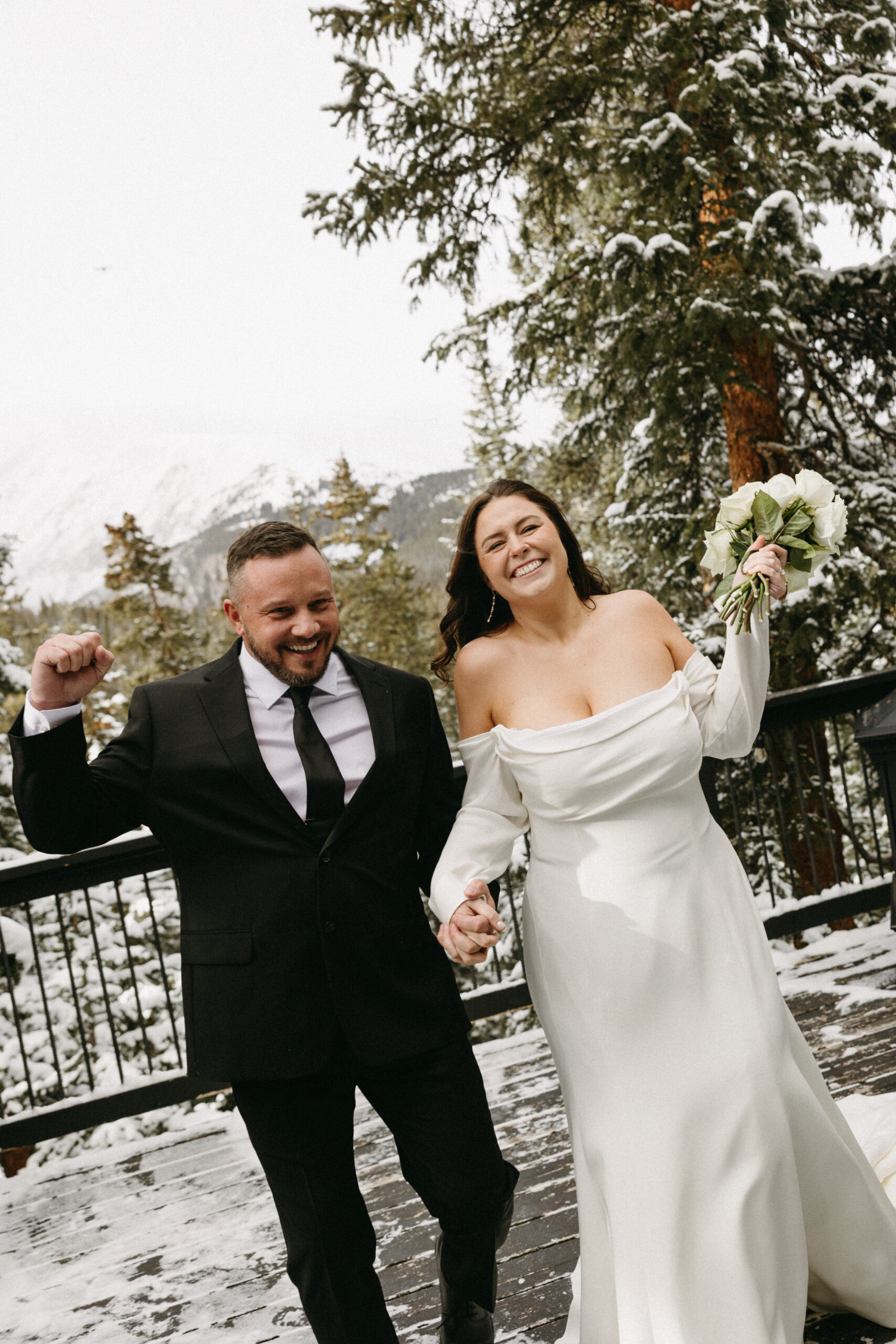
Self-Solemnization – Marry Yourself in Colorado


Self-solemnization means you can marry yourself in Colorado.
Colorado is THEE raddest place to get married, and the easiest. Couples can officiate their own wedding through self-solemnization, which means you can marry yourself without an officiant or witnesses.
A self-solemnization ceremony (or self-uniting marriage) is perfect for engaged couples who are dreaming of a chill wedding day with the least number of strangers involved as possible.
In this guide, we’ll cover the legal requirements for self-solemnization, provide tips for planning your unique ceremony, and offer inspiration to help you craft personalized vows that aren’t being written by an officiant. Say goodbye to tradition, and hello to a wedding that is as extraordinary as your love.
What is self-solemnization?
“Okay, Kenzie, but what does this actually mean?”
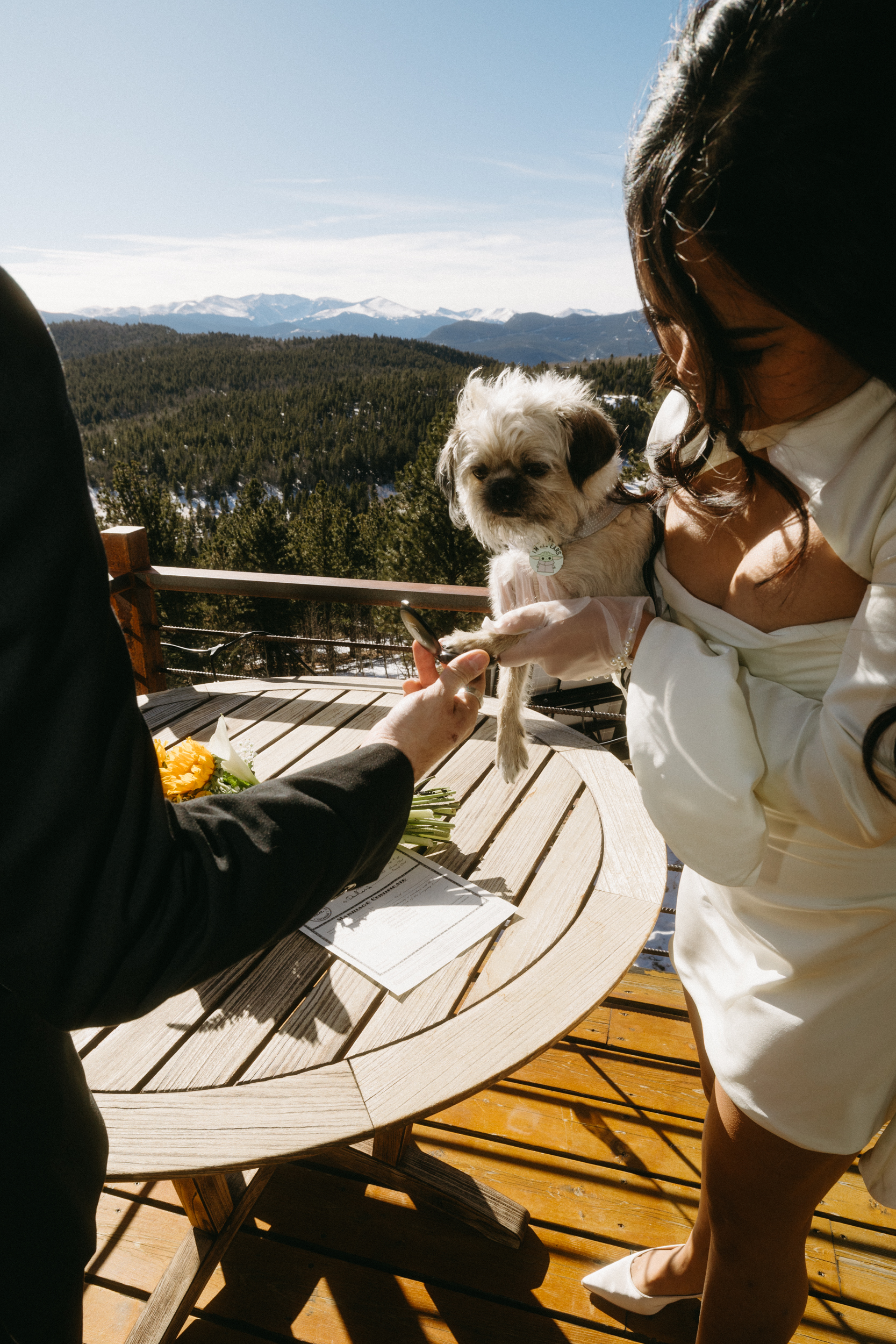
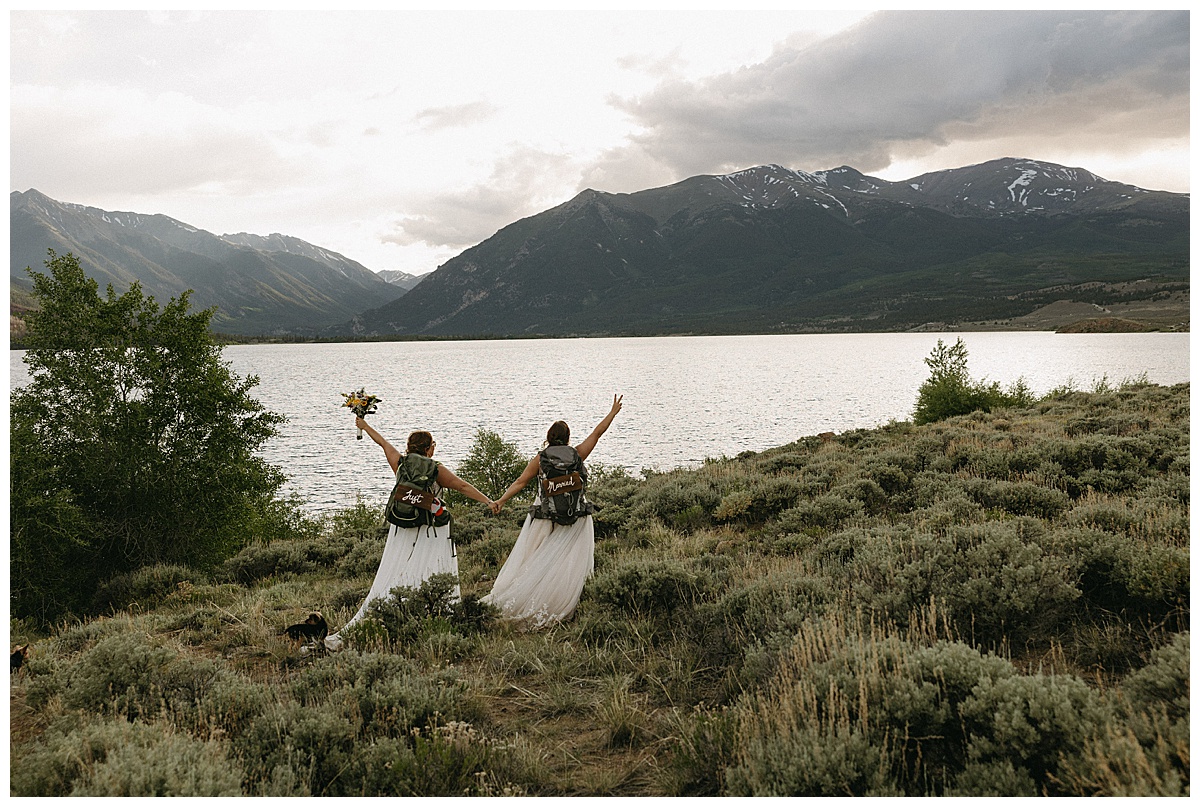
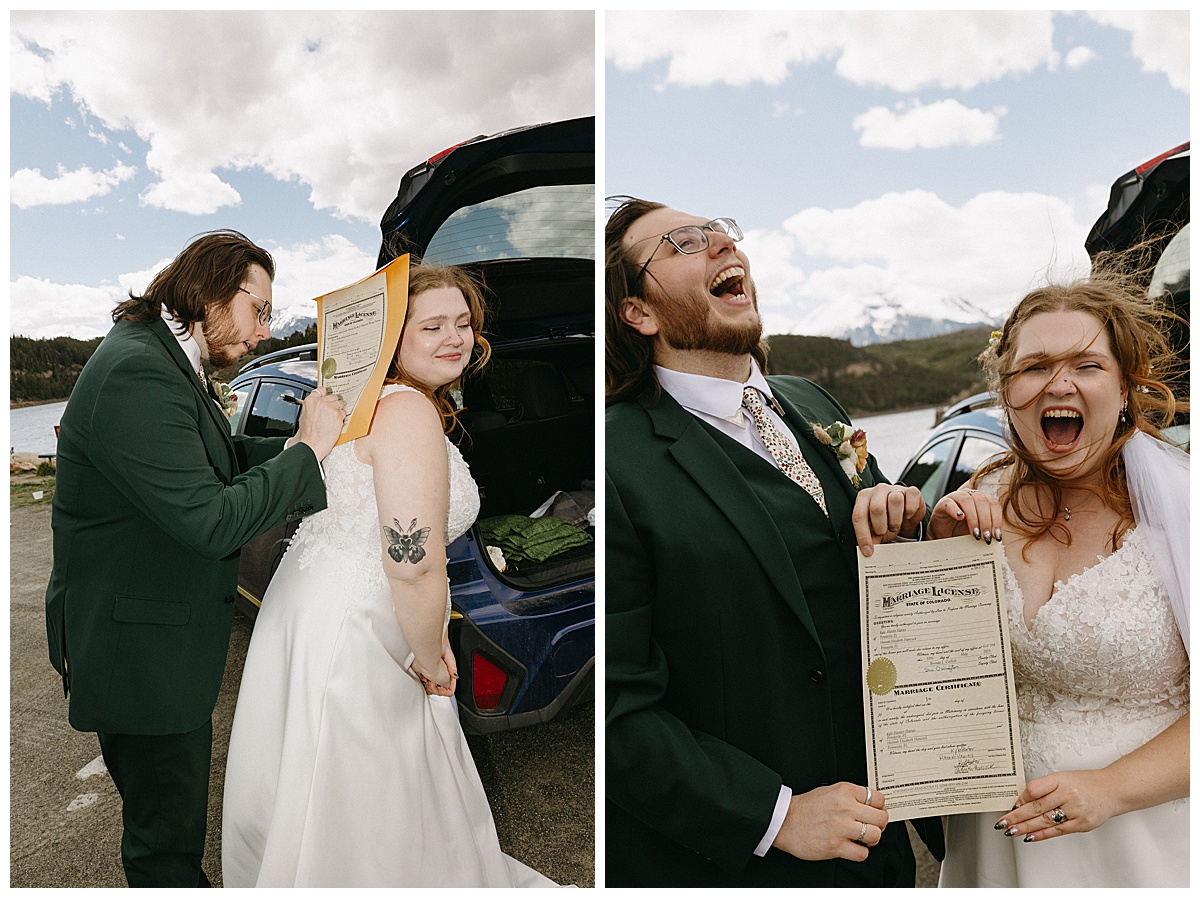
Self-solemnization is the act of solemnizing your own marriage without the need for a third-party officiant. So, basically – congrats, you’re the officiant! In Colorado, this means you and your partner have the legal right to perform your own wedding ceremony. This option allows you to legally marry each other without the constraints of traditional wedding customs. Keep in mind, while Colorado does not require witnesses or officiants for self-solemnization, you can still have guests present. If you want, your fur baby can even “sign” your license as a witness!
The Legal Requirements for Getting Married in Colorado
Before you decide if a self-solemnization ceremony is for you, it’s essential to understand the legal requirements for marriage in Colorado. While self-solemnization offers freedom and flexibility, there are still a few guidelines you must follow to ensure your marriage is legally recognized.
You and your partner must be at least 18 years old and not closely related by blood or adoption. You both also need to obtain a valid marriage license from a Colorado county clerk’s office. This process requires presenting appropriate identification and paying the required fees. Each county is different, so I recommend Googling *Insert County Here* Marriage License. They should have a website to walk you through everything. Here’s Summit County’s website as an example. It doesn’t matter what county you get your marriage license in, but I always encourage couples to get it where they’re staying to make their lives easier.
Your marriage is legally recognized everywhere even though you’re obtaining a marriage license in Colorado.
How to Self-Solemnize in Colorado
- Pick a county to pick up your marriage license from. Denver County is usually busy, so I tell my couples to go to a different county that’s close by, like Jefferson, Adams, Douglas, or Arapahoe counties. Click here to see more info! Arapahoe and Denver County do NOT allow your dog to sign with their paw print.
- Apply for your marriage license within 35 days of your elopement. It’s $30, plus a 2.5% fee if you use a credit or debit card, and requires a social security number and form of identification from both you and bae.
- Say “I do” and marry yourselves anywhere in Colorado thanks to self-solemnization!
- Send the license back within 63 days of your elopement.
Benefits of Self-Solemnization for Elopements
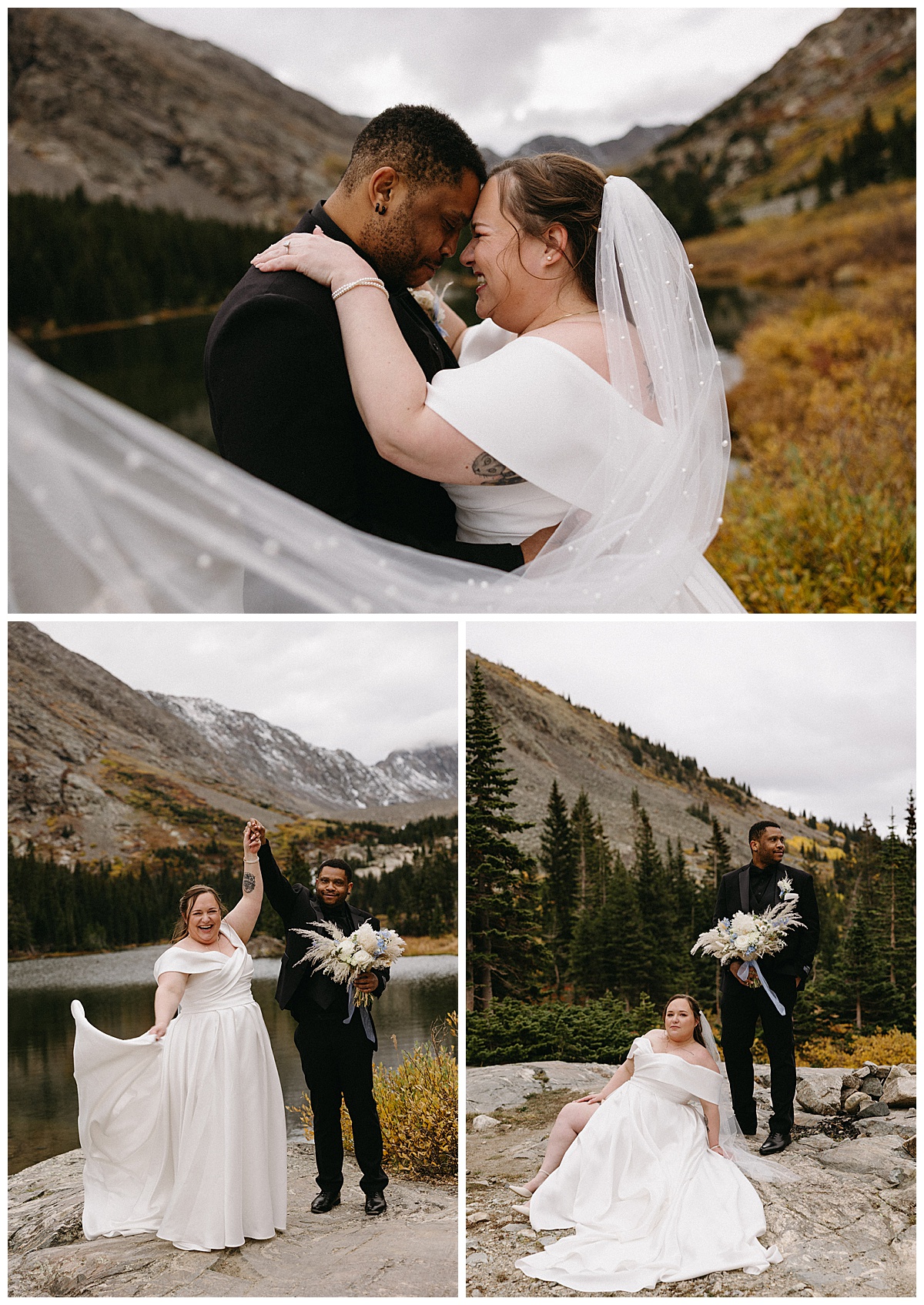
There are so many benefits to self-solemnization in Colorado, especially for couples looking to break away from traditional wedding norms. For example:
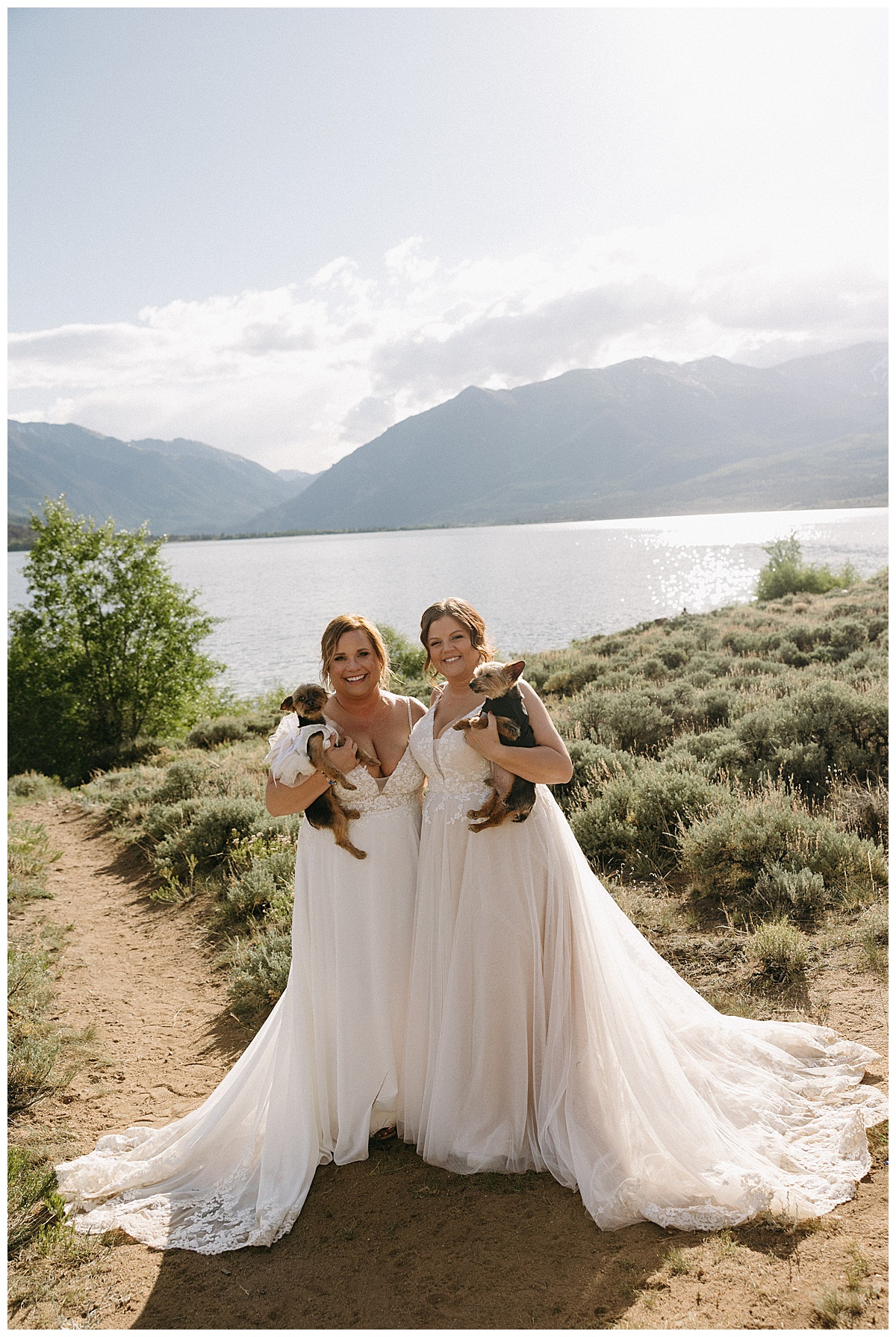
Your dog can sign your marriage license: This is a huge draw for couples all over the U.S. to come to Colorado to get married. Your dog (or cat, or kid, etc.) can sign your marriage license as a witness. *Note that Arapahoe and Denver County do not allow this. We don’t know why, but avoid getting your license there if you want your fur baby to sign.
- Personalization: Self-solemnization allows you to create a ceremony that truly reflects your unique love story and individuality. You have the freedom to incorporate meaningful rituals, readings, and traditions that hold significance to you and your partner. Whether you want to write your own vows, include a symbolic gesture, or incorporate cultural elements, self-solemnization gives you the flexibility to make your wedding truly one-of-a-kind.
- Cost-effectiveness: Skip the hefty price tag of hiring an officiant. With self-solemnization, you can save money by eliminating the need for a third-party officiant. This allows you to allocate your budget toward other aspects of your wedding that matter most to you.
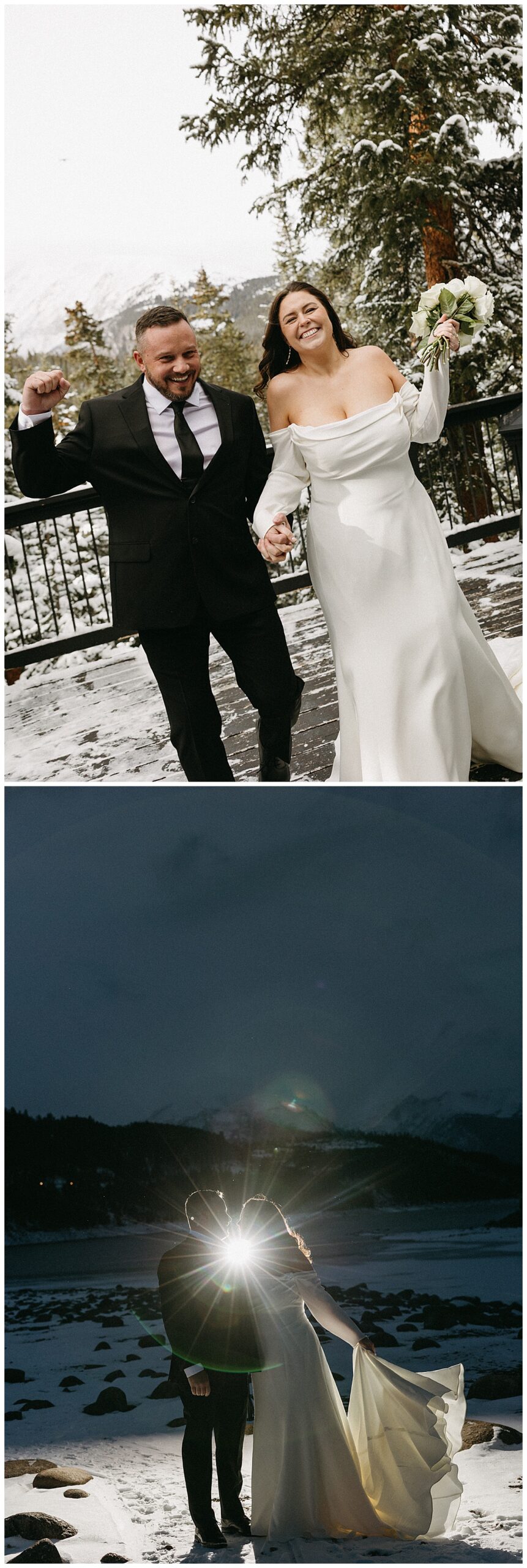
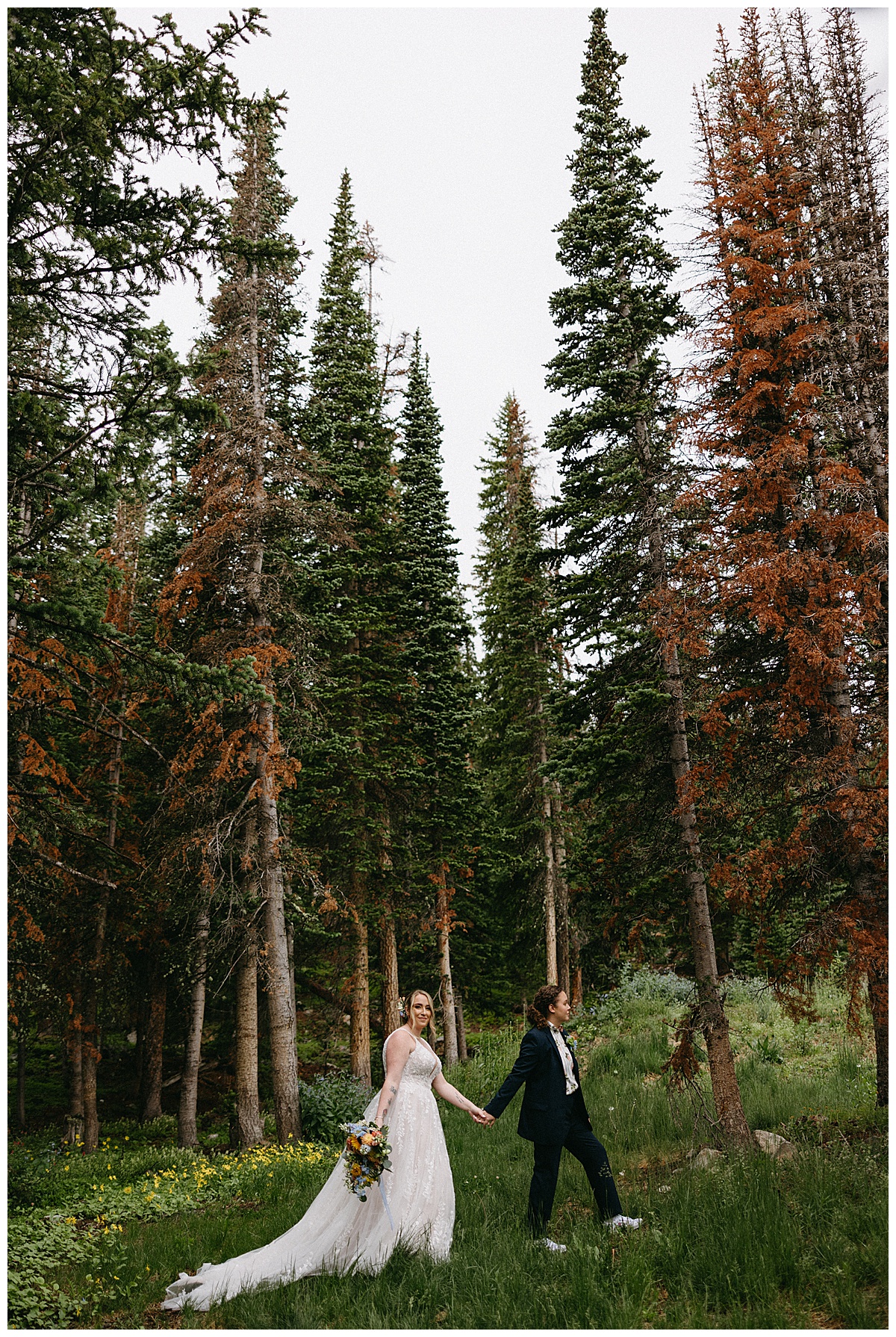
- Flexibility: Self-solemnization gives you the freedom to choose when and where you want to get married. Whether you envision saying your vows on a mountaintop at sunrise or in a cozy cabin surrounded by loved ones, you have the flexibility to make it happen.
- Intimacy: By choosing self-solemnization, you can create an intimate and deeply personal experience for you and your partner. Without the presence of a third-party officiant, you have the freedom to share your vows and promises in a private setting, allowing for a more emotional and meaningful connection.
Including Loved Ones with Self-Solemnization
One of the most beautiful aspects of a self-solemnization ceremony is the opportunity to involve your loved ones in meaningful ways, even if they’re not there physically. Here are some ideas to help you include your family and friends in your special day even if you’re eloping:
- Unity rituals: Consider incorporating unity rituals into your ceremony to symbolize the joining of two families. Some popular options include making a sandwich (seriously, best snack ever with dual purpose), a sand ceremony, or a hand fasting ceremony. These rituals provide an opportunity for your loved ones to participate and witness the blending of your lives.
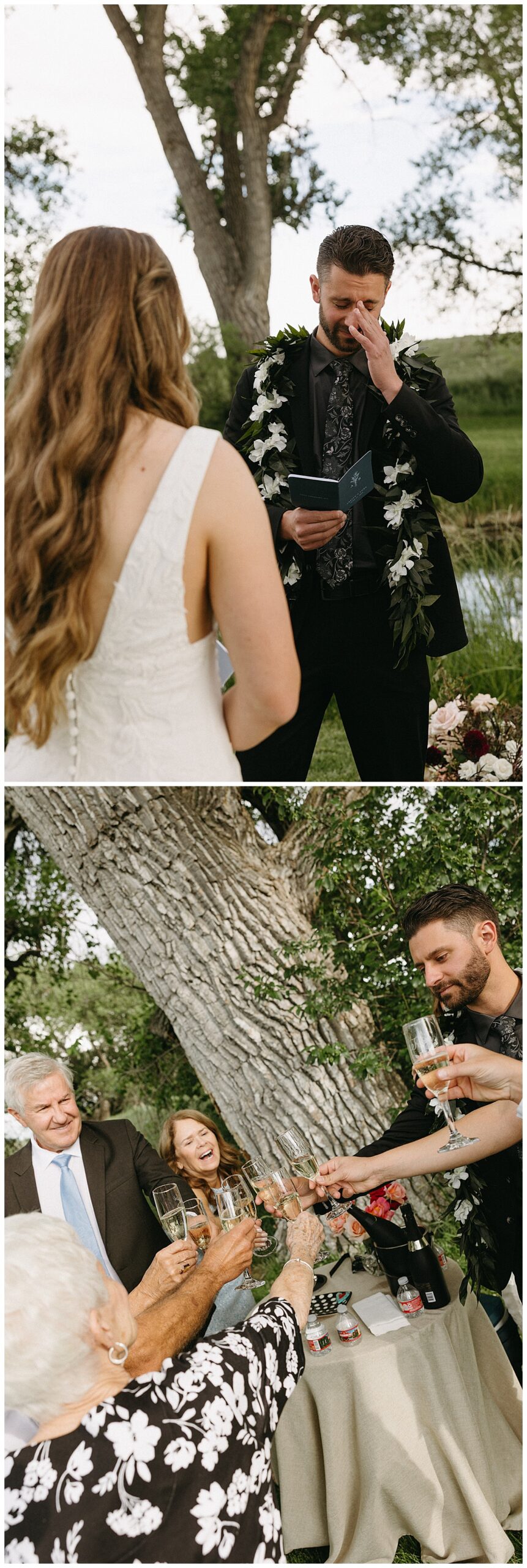
- Readings: Invite your loved ones to share readings or blessings during your ceremony. This could be a favorite poem, a meaningful passage from a book, or a heartfelt message they have written specifically for you. OR have your loved ones write you a letter to read together at your elopement. This is a favorite with my elopement couples. They have their family write them a letter that is sent to my house, so they’re not tempted to read them before eloping.
- Honoring loved ones: Take a moment during your ceremony to honor loved ones who may not be present. Display their photographs or incorporate a special tribute that holds significance to you.
How to Celebrate After a Self-Solemnization Ceremony
After your self-solemnization ceremony, it’s time to celebrate with OR without your loved ones. While traditional receptions often include formalities like dinner and dancing, a self-solemnization reception can seriously be anything you want it to be. Here are some ideas to inspire your post-ceremony festivities. Pro tip: Consider having a brunch wedding so you have all day to do more activities. It’s a move and leaves time for a casual stop at Taco Bell…
- Outdoor adventure: Colorado’s stunning landscapes provide the perfect backdrop for an outdoor adventure-themed celebration. You could host a picnic in a scenic park, organize a hiking or biking excursion, paddle board the Dillon Reservoir, or even arrange a hot air balloon ride for you and your guests to enjoy. There are activities for all types of people in Colorado.
- Food and drink experiences: Colorado is known for its craft breweries, wineries, and farm-to-table dining experiences. Incorporate these local flavors into your celebration by arranging a beer or wine tasting, hiring a food truck to serve delicious bites, or hosting a farm-to-table dinner using locally sourced ingredients. Your guests will appreciate the unique taste of Colorado.
- My favorite culinary experiences are from: Harvest to Home, At Your Breck & Call, and Chef Roilty for my stoner friends.
Frequently Asked Questions about Self-Solemnization
Is our marriage legal in all states if we choose self-solemnization?
YES! As long as the marriage license is from a state that allows self-uniting marriage, like Colorado, you’re legally married everywhere. It doesn’t matter where you’re from, you can still choose self-solemnization in Colorado and go home married.
Do we have to live in Colorado to self-solemnize?
Non-residents can marry in Colorado using self-solemnization. There are no state residency requirements for a Colorado marriage license or self-solemnization ceremony.
Can we still have an officiant even though we are self-solemnizing?
Yep! Your officiant doesn’t even have to be ordained to “officiate” your wedding. This gives you more flexibility to make your ceremony unique and special by choosing someone who is important to you.
Our original plans got ruined. We want to self-solemnize now and have a traditional wedding later. Is that possible?
Absolutely! You’ll just already be legally married at your traditional wedding celebration, so there won’t be a need to sign another marriage license or have another ceremony.
Can we have guests at our self-solemnization ceremony?
Yes! Guests do not affect self-solemnization whatsoever.
Does our ceremony have to take place in a specific place for a self-solemnization ceremony?
Your ceremony can take place anywhere in Colorado! The legal act is completing and returning your signed marriage license.
Do we need to say specific words or vows if we choose to self-solemnize?
No, there is nothing specific you need to say to self-solemnize. You can say vows, read something meaningful, or just sign the marriage license.
How do we sign the marriage license with self-solemnization?
Both you and bae sign as the parties AND you sign in the officiant section.
Does self-solemnizing make our wedding or elopement feel less “real”?
Honestly, a lot of my couples say the opposite. I hear a lot that a self-solemnization ceremony often feels more meaningful and intentional.
Will our family think self-solemnizing means our marriage is weird or not legit?
Besties, we don’t care about other people’s opinions around here! It’s so common in Colorado, and as long as it’s a decision you and bae are on board with, that’s all that matters.
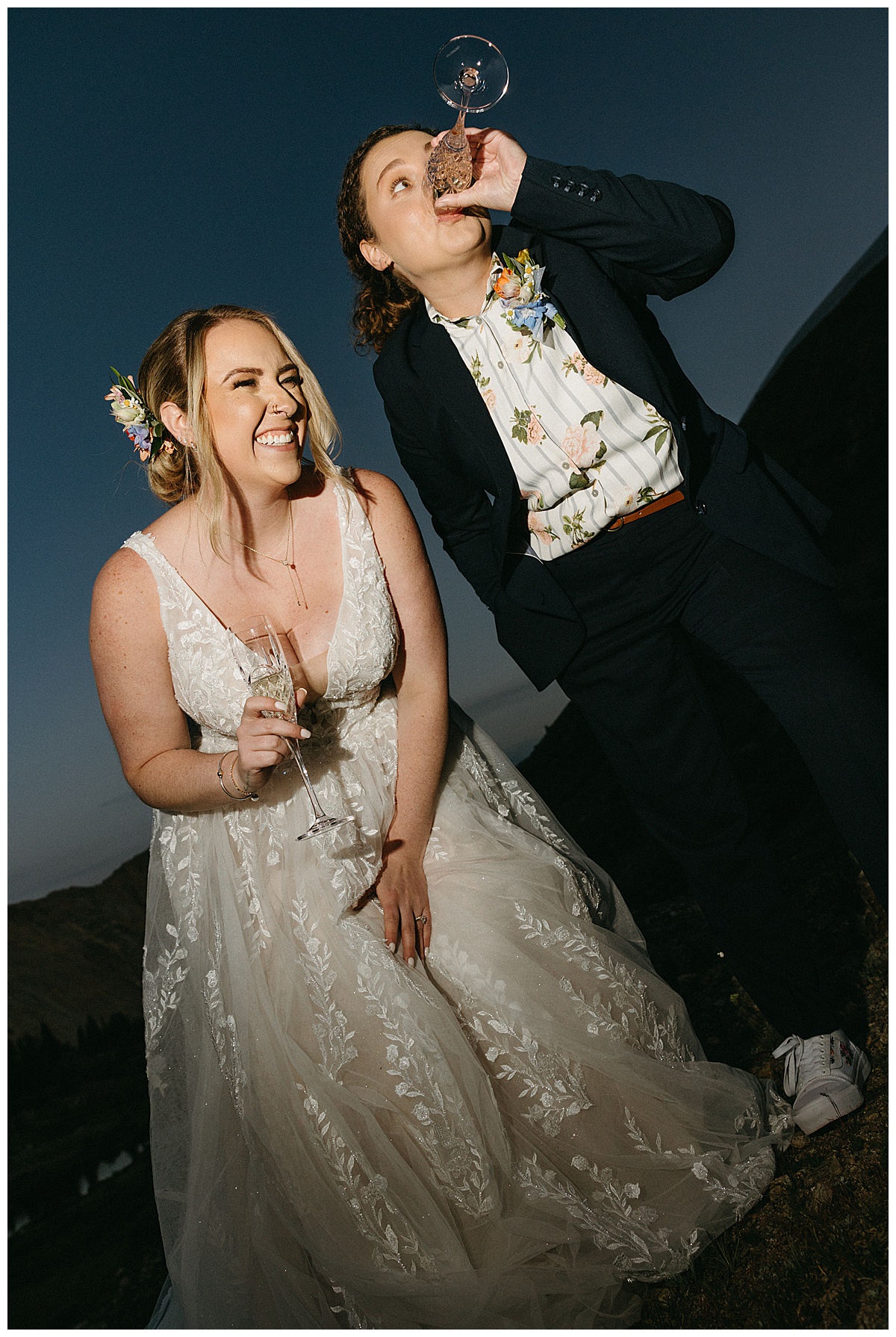
Self-solemnization is such an empowering way to make the best day of your life everything you want it to be and nothing that you don’t. It removes the need for unnecessary, performative “wedding traditions,” letting your day be something special and intentional for the both of you.
Looking for more tips on how to plan a wedding or elopement? I have an entire guide of what do to after you get engaged.
Not sure where to start?
check this shit out: